


CO2 Laser Skin Resurfacing in Boca Raton
CO₂ Laser Skin Resurfacing in Boca Raton
Smoother texture. Softer lines. A personalized approach to skin renewal.
Sun exposure, aging, and acne can leave lasting changes in your skin. CO₂ laser resurfacing can help improve wrinkles, certain scars, sun damage, and uneven texture by renewing the skin’s surface.
At Lasers Medical Aesthetic Center in Boca Raton, FL, we offer fractional CO₂ laser skin resurfacing to help improve fine lines, wrinkles, acne scars, sun damage, and uneven skin texture. Treatment renews the skin’s surface and stimulates collagen production over time.
Our family-owned practice takes a personal approach to understanding your concerns and treatment goals. Your consultation is an opportunity to discuss expected results, recovery, costs, and whether CO₂ resurfacing is appropriate for your skin.
CO₂ resurfacing offers meaningful improvement for suitable candidates, but it requires preparation, downtime, and careful aftercare. This guide explains what to consider before deciding.
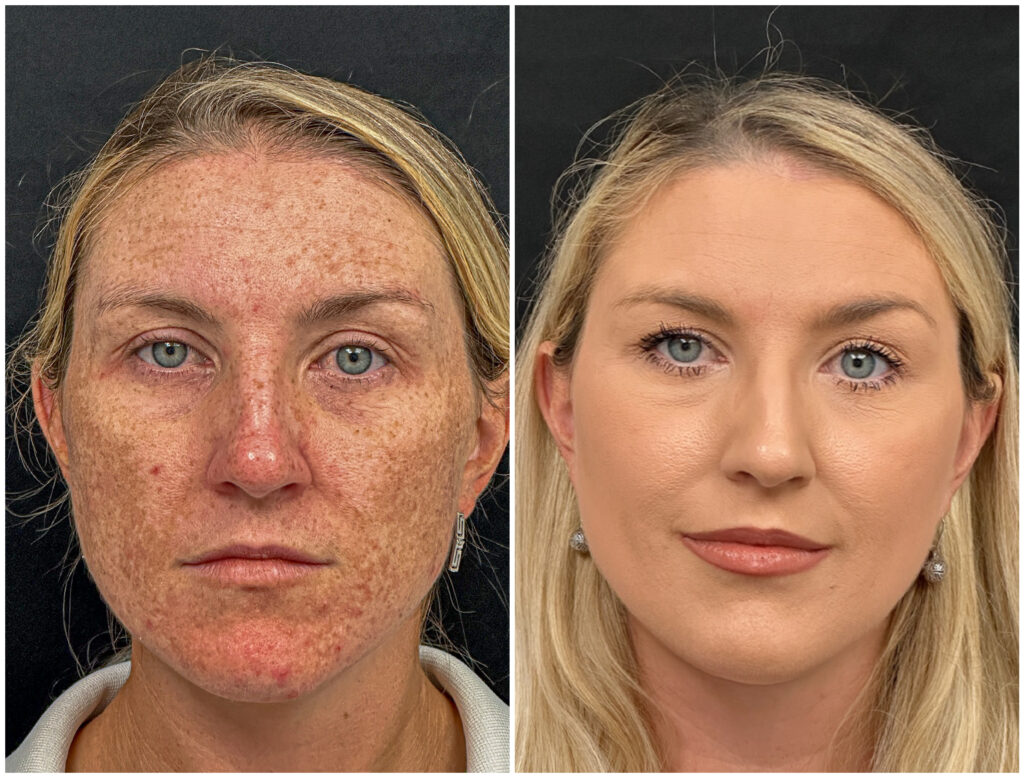
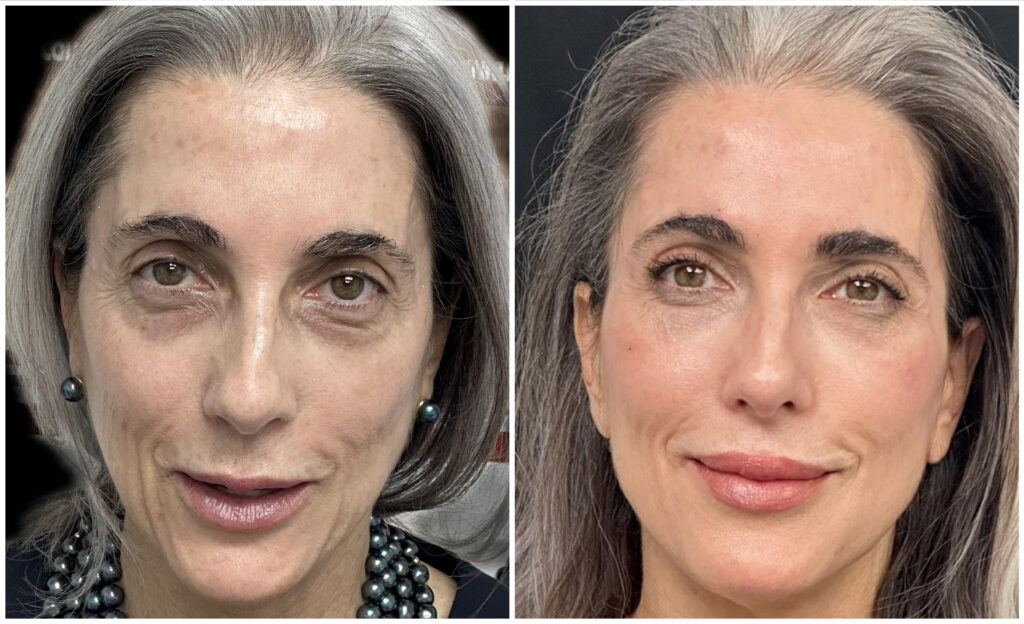
What is CO₂ laser resurfacing, and how does it work?
CO₂ stands for carbon dioxide. The laser delivers energy that removes controlled amounts of skin tissue and heats the underlying layers. This triggers a healing response and stimulates collagen production over time.
Collagen helps support the skin’s structure. As treated skin heals and remodels, its surface can become smoother and wrinkles or scars may become less noticeable.
Fractional CO₂ resurfacing treats microscopic columns of skin while leaving untreated skin between them. Those surrounding areas help the skin heal. The treatment’s depth and coverage affect both the improvement you may achieve and the recovery you will need
What concerns can CO₂ treatment improve?
Depending on your skin and treatment plan, CO₂ resurfacing may help with:
Fine lines and wrinkles.
Sun-damaged skin.
Rough or uneven texture.
Certain acne scars and other scars.
Selected age spots and uneven pigmentation.
The goal is improvement rather than complete removal of every wrinkle, scar, or spot. A consultation helps determine which concerns are likely to respond.
Frequently Asked Questions
1. Is CO₂ treatment the same as a facial or chemical peel?
No. CO₂ is an ablative laser treatment, meaning it deliberately removes skin tissue to produce a healing response. It involves more recovery and different risks than a routine facial. Chemical peels vary in depth, so the appropriate comparison depends on the specific peel and laser settings.
2. Can CO₂ replace a facelift or eyelid surgery?
CO₂ primarily improves skin quality. It does not remove substantial excess skin or correct all causes of drooping eyelids. If your main concern is pronounced sagging, another approach may be more appropriate.
3. Which areas can be treated?
CO₂ resurfacing may target the full face or selected areas, such as wrinkles around the mouth or eyes. Treatment around the eyes requires particular expertise and appropriate eye protection.
Ask about each area individually. A treatment suitable for facial skin may need a different approach on the neck or other areas.
4. Am I a good candidate?
A good candidate has concerns that resurfacing can address, realistic expectations, and the ability to follow wound-care and sun-protection instructions.
Your consultation should include your medical history, medications, previous procedures, skin examination, and recovery needs. Be sure to mention:
Cold sores or other skin infections.
Unusual scarring or keloids.
Problems with healing or your immune system.
Current or recent isotretinoin use.
Recent tanning or sunburn.
Pregnancy or breastfeeding.
Previous laser treatments or radiation to the area.
These factors may change the treatment plan or mean treatment should be postponed.
5. Is CO₂ safe for darker skin tones?
Darker skin tones have a higher risk of developing unwanted pigmentation changes after resurfacing. That makes careful assessment and provider experience especially important.
Ask whether CO₂ is appropriate for your skin tone, what steps could reduce your risk, and whether another treatment would offer a better balance of benefits and risks. No setting eliminates all risk.
6. What happens during the appointment?
The exact process depends on the treatment area and planned intensity. Generally, it includes:
Reviewing the plan: Confirm the areas, expected benefits, recovery, and consent.
Preparing and numbing the skin: Discuss the comfort measures appropriate for your procedure.
Laser treatment: The provider treats the selected areas using the planned settings.
Protecting the treated skin: Appropriate wound care or dressings are applied.
Reviewing home care: You receive instructions for cleaning, skin products, medications, and follow-up.
Ask how much time to allow for the entire visit, including preparation.
7. Does it hurt?
Numbing helps reduce discomfort, but you may still experience heat, stinging, or a burning sensation. The amount of discomfort depends on the treatment’s intensity and your sensitivity.
Afterward, the skin may feel sunburned, tender, swollen, or itchy. Your provider should explain the pain-control plan before you proceed.
8. How much downtime should I plan for?
For fractional CO₂, allow approximately one to two weeks for initial healing and visible recovery, with the understanding that your personal timeline may differ. Stronger treatment can take longer.
There are three different recovery milestones:
Surface healing: The skin closes and peeling or crusting settles.
Social recovery: You feel comfortable returning to work or public activities.
Continued recovery: Redness fades and the skin continues to remodel.
These do not necessarily happen at the same time. Feeling ready to return to work does not mean your skin has fully recovered.
9. What might my skin look like while healing?
Initially, expect redness, swelling, and sensitivity. Depending on treatment intensity, the skin may look raw, release fluid, develop crusting, or feel tight.
Dryness and peeling often become noticeable during the first week. Newly healed skin may look pink for weeks or months. Do not scratch, scrub, or pull away peeling skin or crusts.
10. When can I return to work?
Consider both your appearance and your work environment. Working from home may be easier than a public-facing job while you are visibly healing.
Outdoor work, heat exposure, and environments that make wound care difficult may require additional planning. Ask for a recovery estimate based on your actual treatment rather than a general promise of “minimal downtime.”
11. When can I wear makeup?
Wait until the treated skin has healed and your provider clears you. Makeup should not be applied to raw, open, or oozing skin. A fixed number of days is less useful than checking that healing is complete.
12. How do I care for my skin afterward?
Follow your personalized written instructions. Use only the cleansing methods, protective products, and dressings recommended by your treating provider.
Avoid picking, scrubbing, and experimenting with new products. Retinoids and exfoliating acids should wait until your provider says they are appropriate again. After healing, continued sun protection is essential.
13. Can I go outside, swim, or use a sauna?
Protect healing skin from sun exposure. Once your provider permits sunscreen, use broad-spectrum SPF 30 or higher along with shade and protective clothing.
Avoid swimming pools, hot tubs, and saunas during initial healing. Ask when strenuous exercise and activities that cause heat or sweating can safely resume.
14. How should I prepare?
Avoid tanning and discuss your sun exposure before scheduling. Provide a complete list of medications, supplements, and skincare products, and follow your clinician’s instructions about any changes.
Tell your provider about cold sores: preventive antiviral medication may be appropriate. Smoking can impair healing, so discuss stopping before and after treatment. Do not stop prescribed medication on your own.
15. What are the possible risks?
Potential complications include infection, cold-sore outbreaks, persistent redness, darker or lighter pigmentation, scarring, acne flares, and small white bumps called milia.
Careful treatment selection and aftercare help reduce risk, but complications can still occur. Discuss your individual risks before
16. When should I contact the office?
Contact your treating team promptly for increasing pain, spreading redness, pus, new blisters, fever, or healing that seems to be worsening. Obtain clear instructions before treatment about whom to contact during and outside office hours. Seek urgent assessment for eye pain or vision changes.
17. When will I see results, and how long do they last?
You may notice improvement once the surface heals, with further changes developing over the following months. Results can last for years, but treatment does not stop aging or future sun damage.
Daily sun protection and appropriate skincare help preserve the improvement. Your results will depend on your starting concerns, treatment intensity, and healing response.
18. How many sessions will I need?
Some people benefit from one treatment; others need a series. Scar treatment may require a different plan from treatment for fine lines or sun damage.
Ask for an estimated course of treatment and when your skin will be reassessed. Additional sessions should be based on healing and response rather than an automatic schedule.
19. How much does it cost?
Request a written quote for your specific treatment area and plan. Ask whether the price includes numbing, aftercare products, follow-up visits, and any recommended additional sessions.
A clear estimate helps you compare the full treatment experience and understand your commitment before booking.
Why consider Lasers Medical Aesthetic Center?
A personal connection with a family-owned practice
Our Boca Raton center is family-owned and operated. We value the relationships we build with our clients and want you to feel heard when discussing concerns about your skin. (lasersmedaesthetics.com)
Your goals guide the conversation
What matters most to you: softening lines, improving scars, renewing texture, or addressing sun damage? We encourage you to bring your priorities, questions, and recovery limitations to the consultation.
Clear expectations help you choose confidently
You deserve to understand what improvement is realistic, what recovery involves, and what the financial commitment will be. Our goal is to help you make an informed decision you feel comfortable with.
An opportunity to discuss your options
Our center offers a range of skin and aesthetic treatments. A consultation gives you an opportunity to discuss whether CO₂ resurfacing fits your goals or whether another approach deserves consideration. (lasersmedaesthetics.com)
Questions to bring to your consultation
Who will perform my treatment, and what training do they have?
What experience do they have with my skin tone and concerns?
Which device and treatment approach will be used?
What improvement is realistic for me?
Can I see relevant before-and-after examples?
How much recovery should I plan for?
What aftercare and follow-up will I need?
Who should I contact if I have a concern?
What is the total estimated cost?
Choosing a provider should involve more than comparing prices. Ask about qualifications, experience, risks, and the support available throughout recovery.
Take the next step toward understanding your options
You do not need to decide on treatment before your consultation. Start by learning whether CO₂ resurfacing is appropriate for your skin, your goals, and your schedule.
Contact Lasers Medical Aesthetic Center in Boca Raton to discuss CO₂ laser skin resurfacing and your personalized options.
Individual results and recovery vary. This page provides general education; your treating clinician’s assessment and instructions guide your care.


